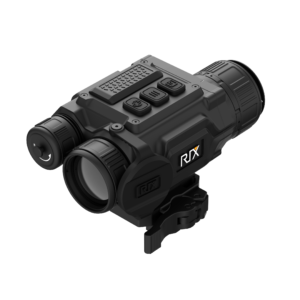
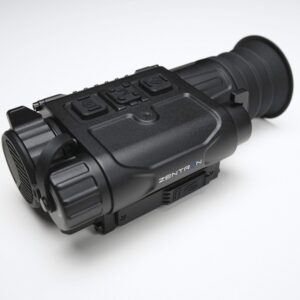
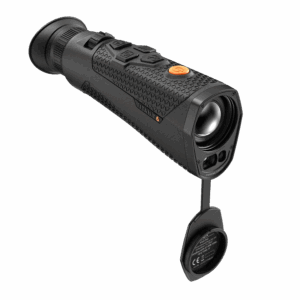
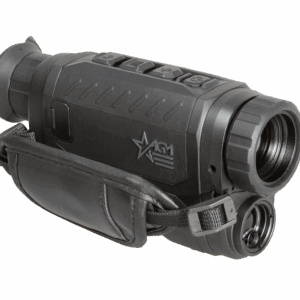
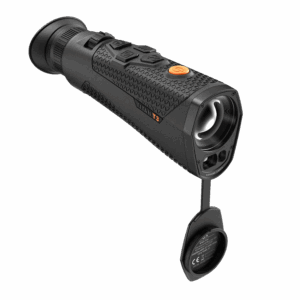
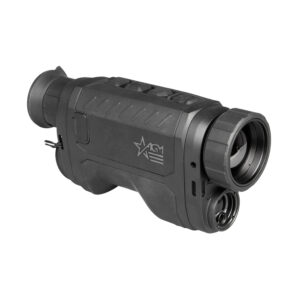
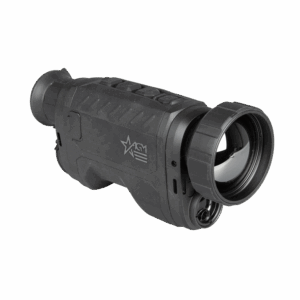
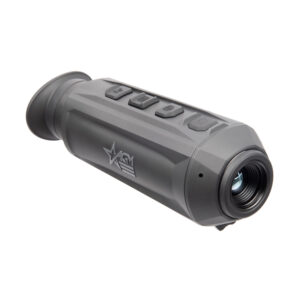
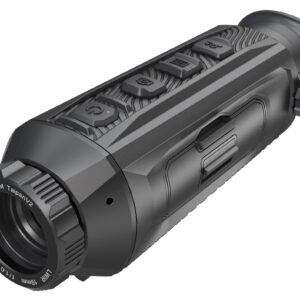
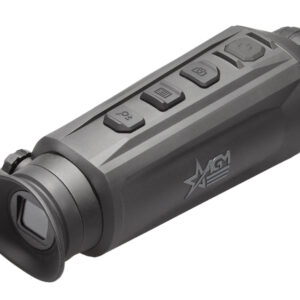
Shop thermal monoculars for hog hunting, predator control, ranch surveillance, and nighttime scanning. A handheld thermal monocular lets you locate and identify heat signatures without continuously scanning through a rifle-mounted optic.
Compare sensor resolution, lens size, base magnification, field of view, detection range, integrated laser rangefinders, battery life, recording features, and performance in difficult weather. Huey Outdoors carries thermal monoculars from RIX, AGM, Pulsar, N-Vision, and other leading manufacturers, with detailed specifications and field-use information whenever available.
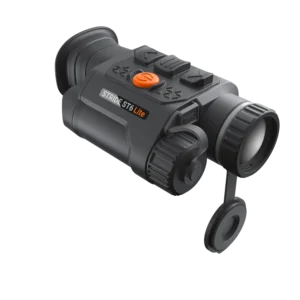
Compare compact scanners such as the RIX STRIDE ST6 Lite and RIX TITAN T6 with laser-rangefinder models such as the AGM ReachIR LRF 35-640. For two-eye viewing, browse thermal binoculars; for a vehicle setup, see PTZ thermal cameras. Availability and included accessories are listed on each product page.
How to choose a handheld thermal monocular
Start with how you intend to carry and view it. For walking and regular scanning, compare the complete weight, grip, control layout, and battery replacement options. For longer observation sessions, consider eyecup comfort and whether the model supports a tripod. Check the manufacturer’s mounting compatibility before choosing a device for helmet use.
Compare field of view at the same stated distance rather than relying on maximum digital zoom. A wider view shows more of the scene at once; increased base magnification provides a more enlarged starting view. Sensor resolution, lens, and image processing all contribute to the result. Our thermal resolution and field-of-view guide explains these imaging principles, using riflescopes as examples.
Features to check before ordering
Look at the exact model’s specifications for recording, weather resistance, battery runtime, included accessories, and warranty. If a laser rangefinder matters to you, confirm that it is included on the version you select. Compare real footage where available and note the conditions; a manufacturer’s detection-range figure does not mean the same level of detail will be visible at that distance.